The yes cards
Yes Tarot Cards: The 43 Cards That Answer Yes
43 of 78 cards lean yes here — 55.1%. But only 21 are strong yeses, and three are so soft they are almost a maybe. This is the full list, with what each one is actually promising.
Reviewed 14 November 2026 · How this page is checked
- Yes cards
- 4355.1% of the 78-card deck
- Strong yeses
- 21strength 3 — clear and direct
- Soft yeses
- 3strength 1 — conditional
A yes is a direction, not a guarantee
Every card in this deck carries three things: a verdict, a strength from 1 to 3, and a condition. The verdict is the short answer. The strength says how much weight the answer can bear. The condition says what has to be true for the answer to hold.
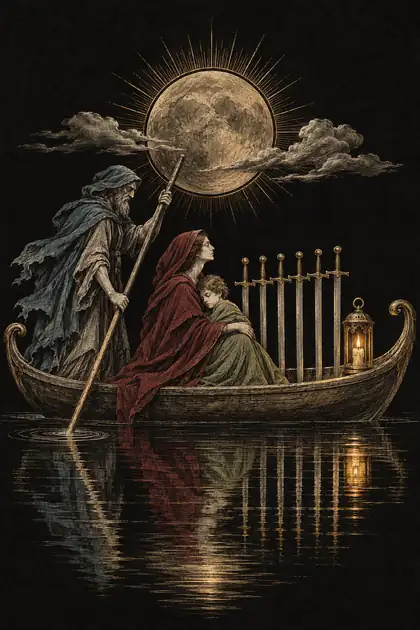
A strength 3 yes — The Sun, say, or the Ace of Cups — can carry a decision on its own. A strength 1 yes is closer to “yes, if”. The Six of Swords is the clearest example: it answers yes to leaving a difficult situation, not to staying in it and hoping it improves.
The three softest yeses are all Swords
That is not a coincidence. The Six of Swords, the Queen of Swords and the King of Swords are the only strength 1 yeses in the deck. Each one answers yes to a decision made with information — a conversation, a diagnosis, a boundary — and no to waiting for someone else to make it for you.
If one of these appears, the useful follow-up is not “when?” but “what do I still not know?” The card is positive about the direction and cautious about the evidence.
Where the 43 yeses sit
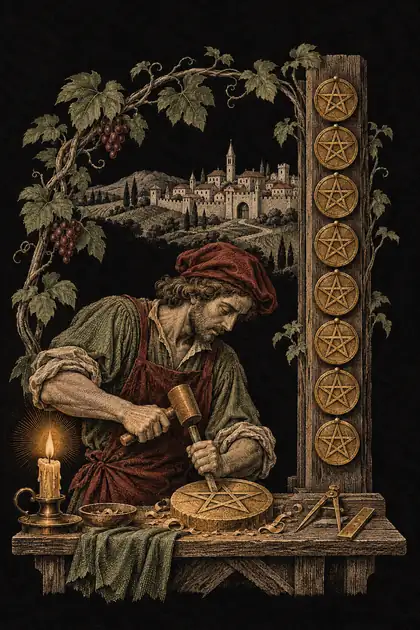
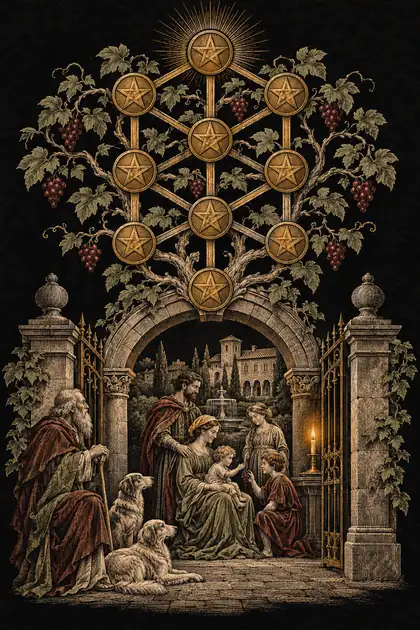
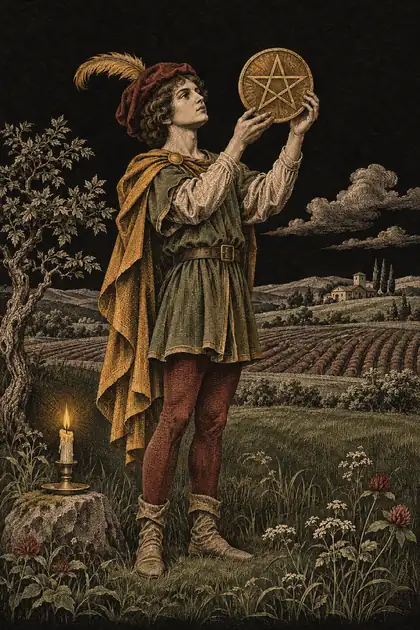
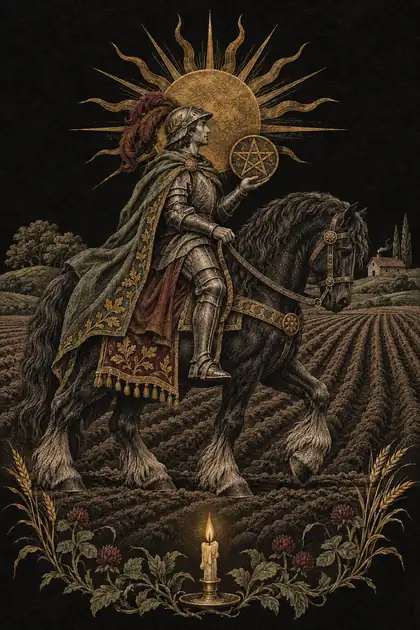
Cups and Pentacles are the most optimistic suits: ten yeses each. Wands follows with nine. Swords has only five, and nine of the 22 major arcana answer yes. That distribution matters more than the raw count: a yes from Swords tends to be about a decision, while a yes from Cups tends to be about a relationship or a feeling.
The table on the verdict page shows the same numbers by strength and suit. This page is the reading view of that data; the table is there when you want to check the edges.
How to read a yes in a spread
In a one-card reading, the yes is the answer. In a three-card spread, position matters: a yes in the obstacle position is not the same as a yes in the outcome position. Read the verdict with the position, then read the condition, then look at the timing line on the card page.
Reversed, the yes does not become a no. It becomes slower, softer or more conditional. If the question is time-sensitive, treat a reversed yes as “not on this timetable” rather than “never”.
The list
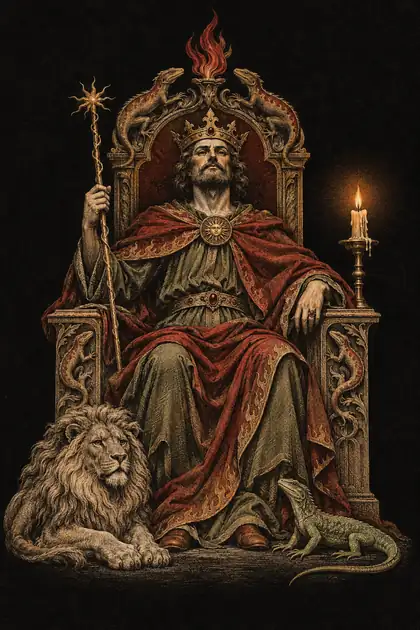
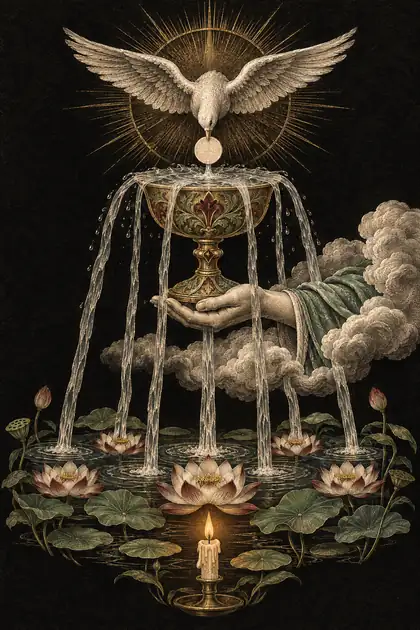
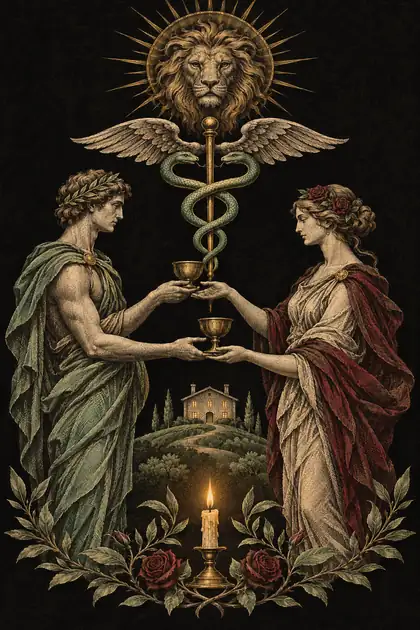
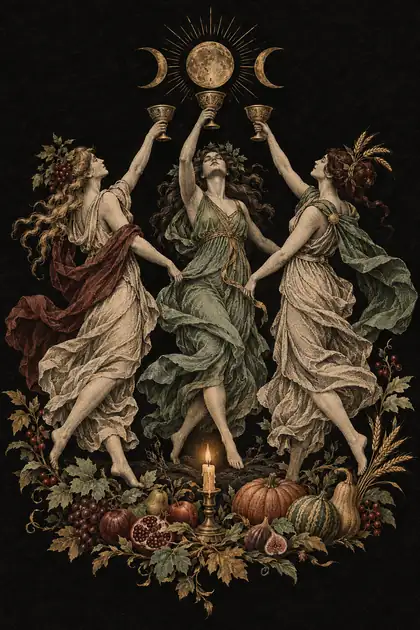
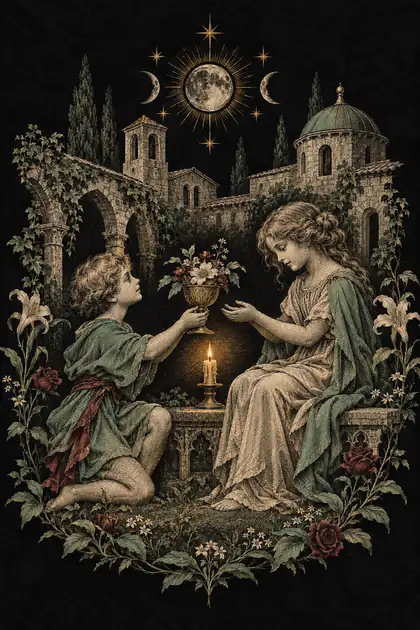
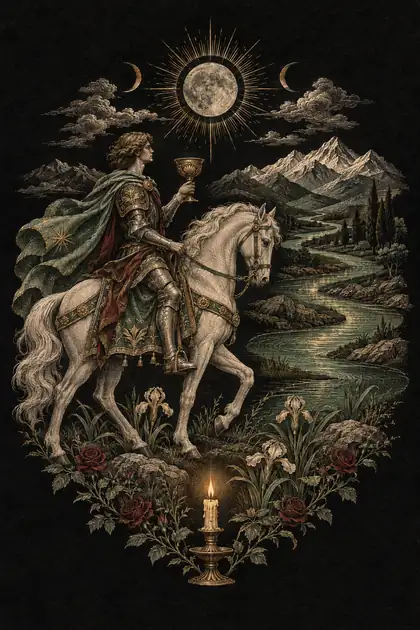
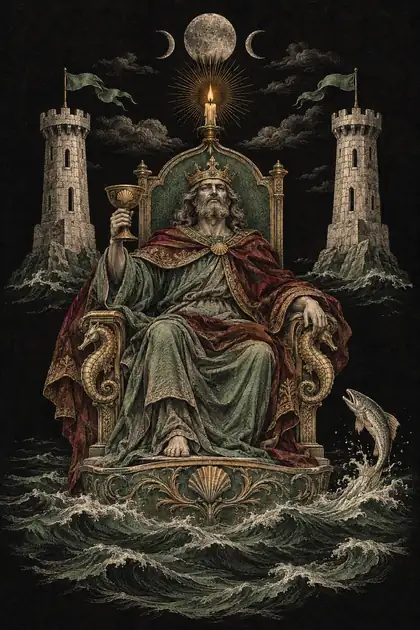
All 43 yes cards
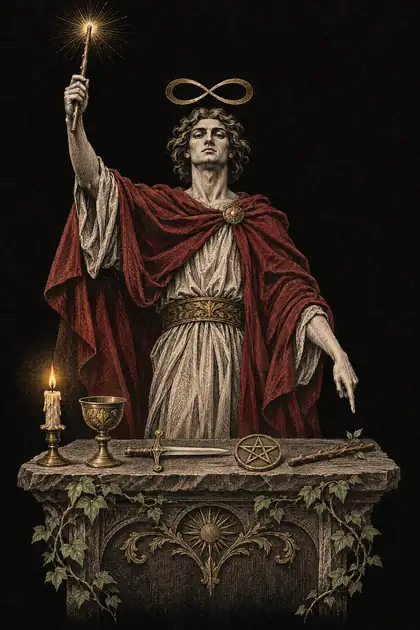
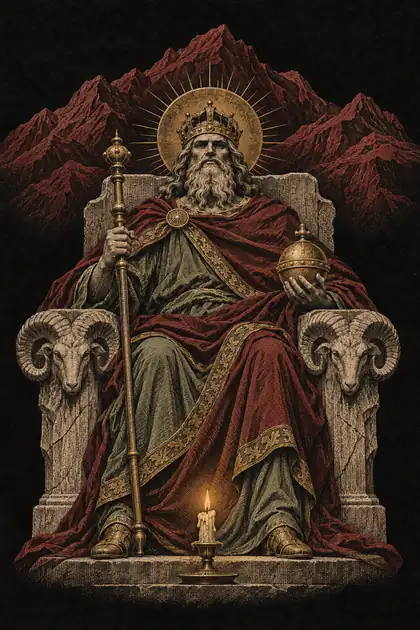
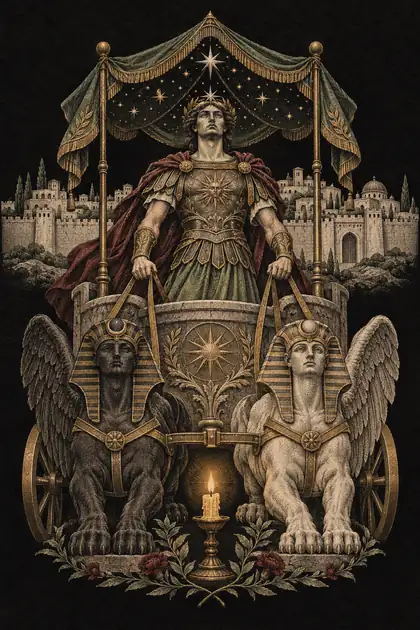
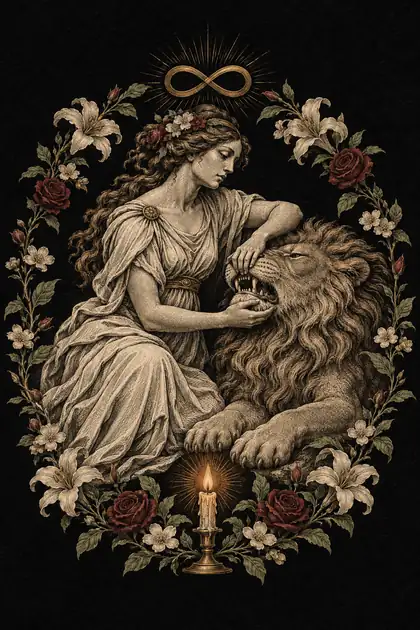
Sorted by arcana and suit. Each card links to its full reading, including the reversed answer and timing.


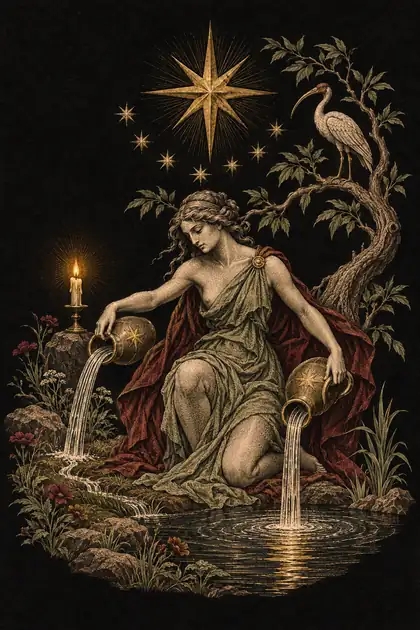

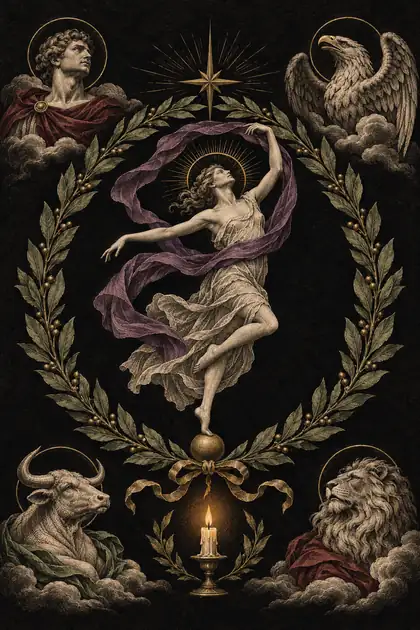
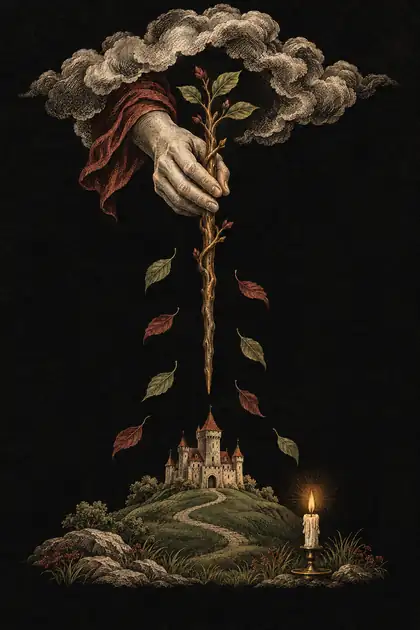
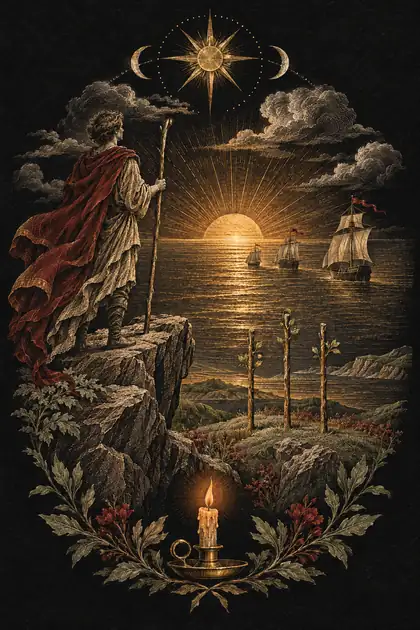







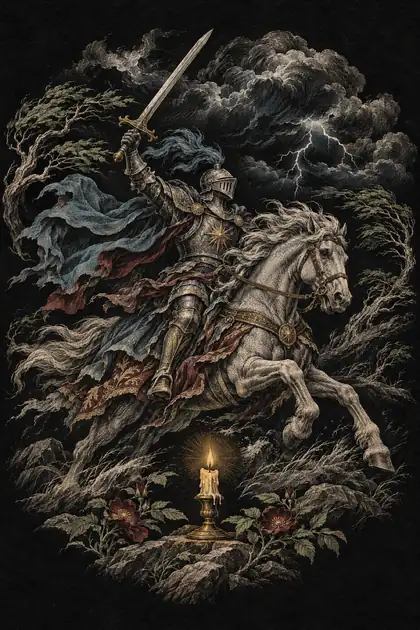

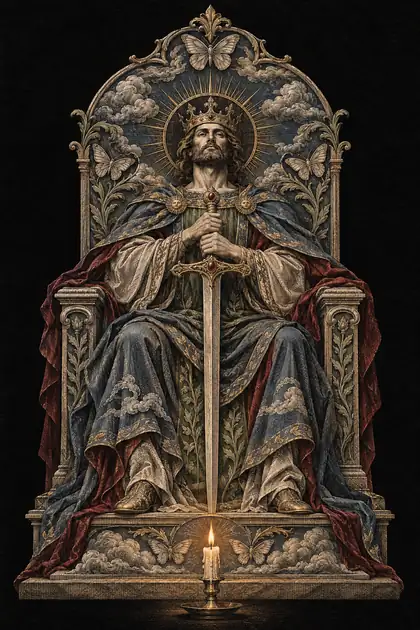

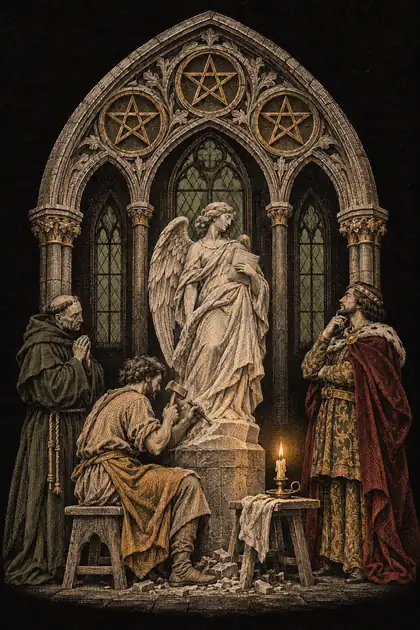
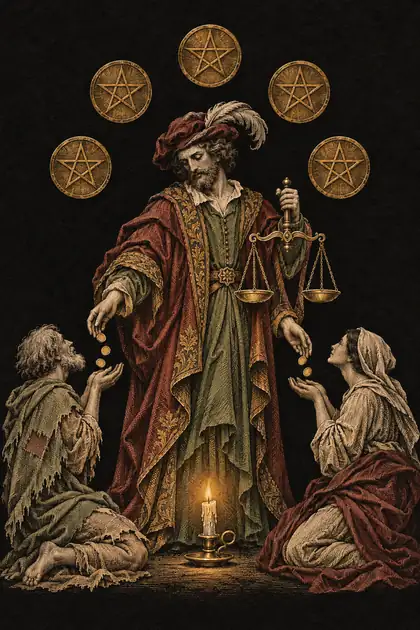


How many tarot cards mean yes?
In this deck, 43 of the 78 cards answer yes — 55.1%. Twenty-one of those are strength 3, nineteen are strength 2, and three are strength 1.
Is a yes card always a definite yes?
No. A yes card gives a direction, and the strength tells you how much weight it carries. Strength 1 yeses are conditional; read the condition before you treat the answer as settled.
Which tarot card is the strongest yes?
There is no single strongest yes. Twenty-one cards sit at strength 3, including The Sun, The World, The Emperor and the Ace of Cups. Which one matters depends on the question.
Does a reversed yes card become a no?
No. In this system a reversal changes timing, strength and condition, not the verdict. A reversed yes is still a yes — usually a slower or more conditional one.
Put it to the deck
Ask your question and draw a card
One clear question, one card, one answer. The draw is free and takes about four seconds.