The major arcana
Major Arcana: Yes or No for All 22 Cards
The 22 majors split almost perfectly: nine yes, four no, nine maybe. A major card changes the size of the question, not the odds. Here is every card and the four that answer no.
Reviewed 14 November 2026 · How this page is checked
- Major arcana
- 2228.2% of the deck
- Yes / No / Maybe
- 9 · 4 · 9almost perfectly balanced
- Strong noes
- 2The Devil and The Tower
A major card is not a louder answer
There is a common assumption that a major arcana card overrules a minor one. The numbers here do not support it. The majors answer yes 40.9% of the time and no 18.2% of the time; the deck as a whole answers yes 55.1% and no 15.4%. The major arcana are slightly more cautious, not more decisive.
What they do change is the scale of the question. The Fool is about starting without a map. The Tower is about a structure that cannot stand. Those are bigger frames than the Four of Cups, even when both answers are short.
The four noes
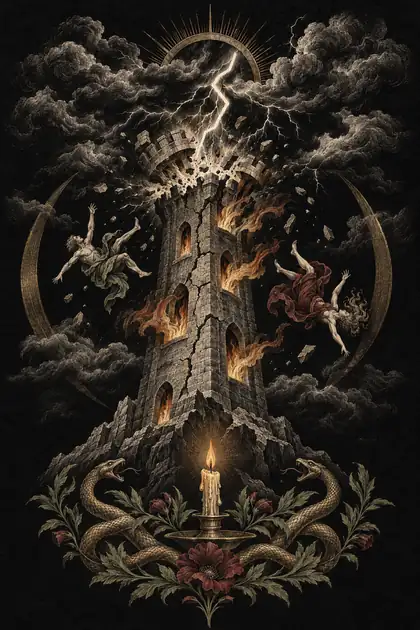
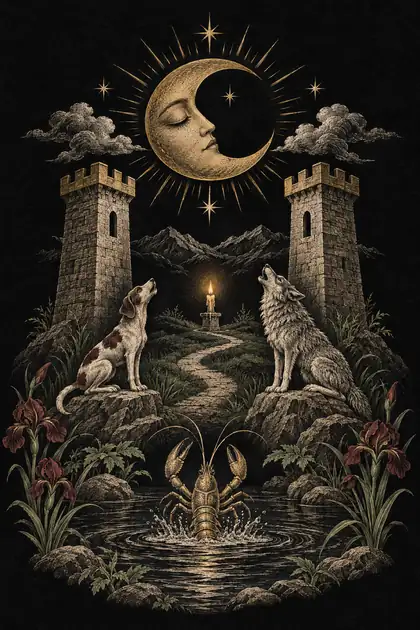
Death is an ending, not a death. The Devil is a bargain with a cost you can see but keep ignoring. The Tower is the collapse of something that was already cracked. The Moon is a situation you cannot see clearly enough to consent to.
Read together, the four noes are not punishments. They are refusals of a specific arrangement: the relationship that has run its course, the deal that owns you, the structure that is unsafe, the story you are telling yourself without evidence.
The nine maybes
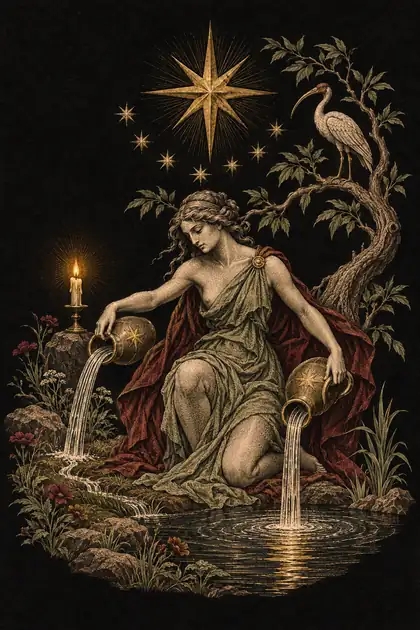
The High Priestess, The Hierophant, The Lovers, The Hermit, Wheel of Fortune, Justice, The Hanged Man, Temperance and Judgement all answer maybe. Most of them are about a condition that has not resolved yet: a choice between two people, a decision that needs a principle, a wait that has not ended.
That is a useful pattern. When a major answers maybe, the reading is usually pointing at a value or a relationship rather than a missing fact. The next question should be “what do I actually want?”, not “what will happen?”.
How to read a major in a yes no spread
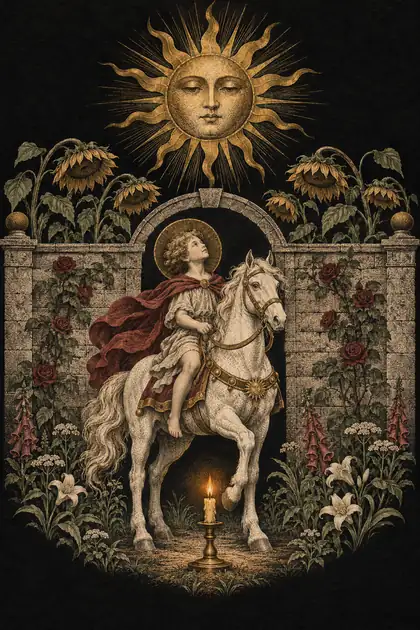
Put the verdict in the sentence, then add the frame. “Yes — and the frame is The Emperor” is a different answer from “Yes — and the frame is The Sun.” The first says the yes comes with structure and authority; the second says the yes comes with visibility and ease.
If a major lands reversed, the frame is under pressure, but the verdict does not flip. Read the reversal as the part of the frame that is not available yet.
The list
All 22 major arcana cards
Each card links to its full reading, including the reversed answer, timing and the condition behind the verdict.
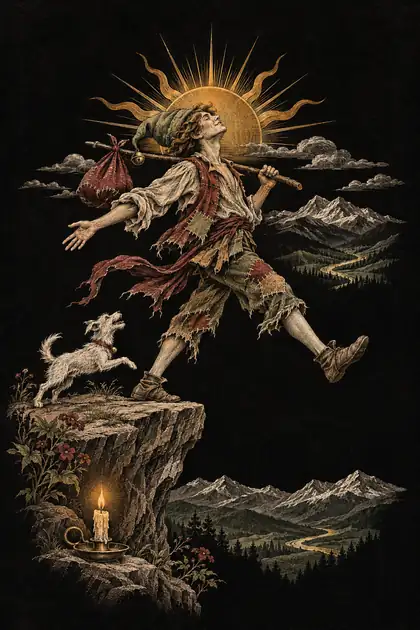
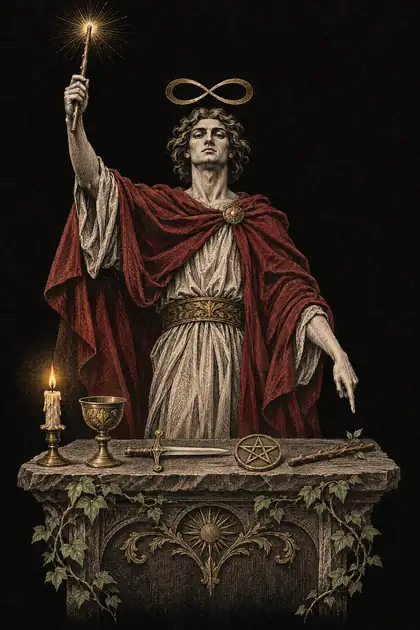
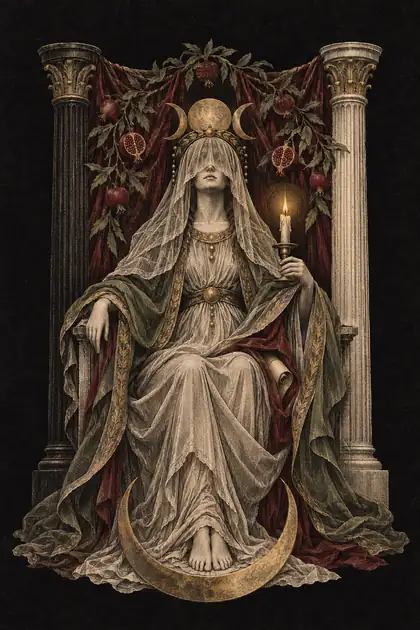
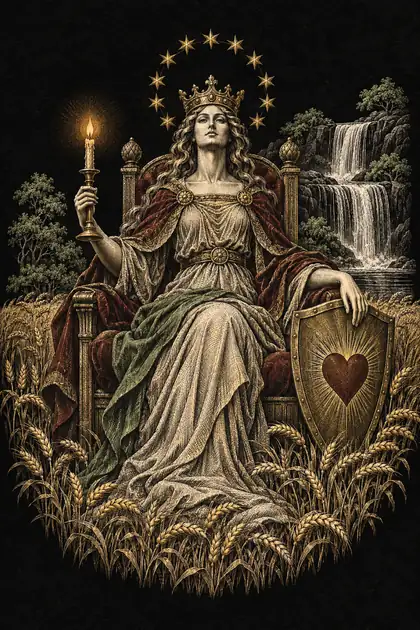
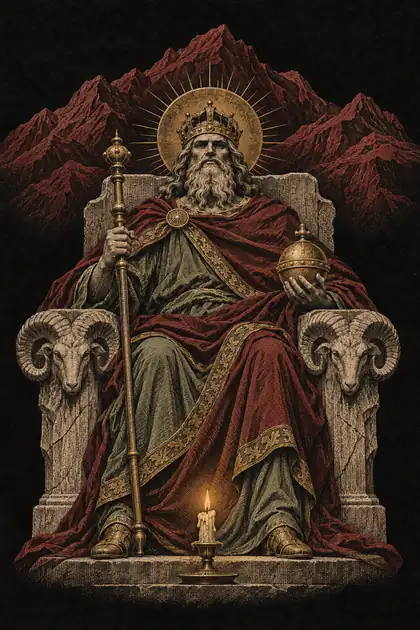
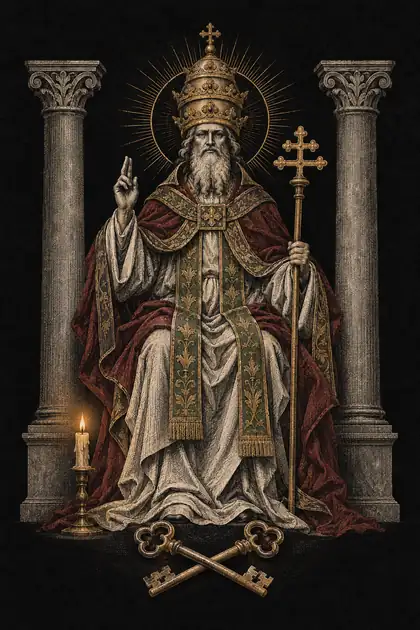
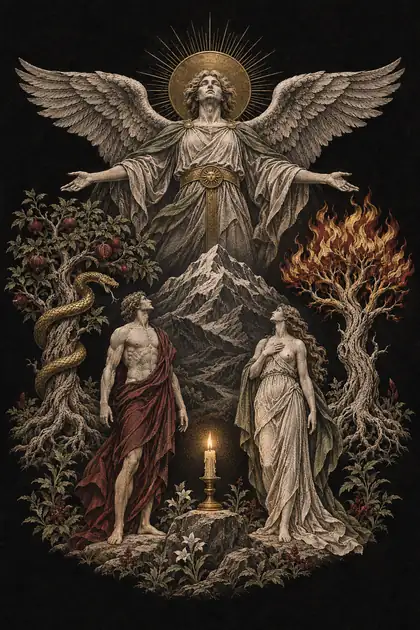
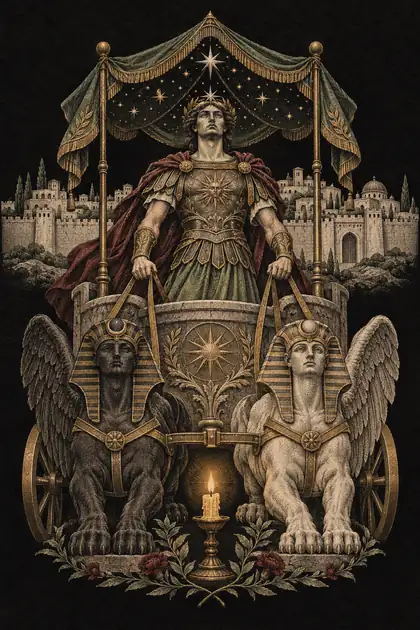
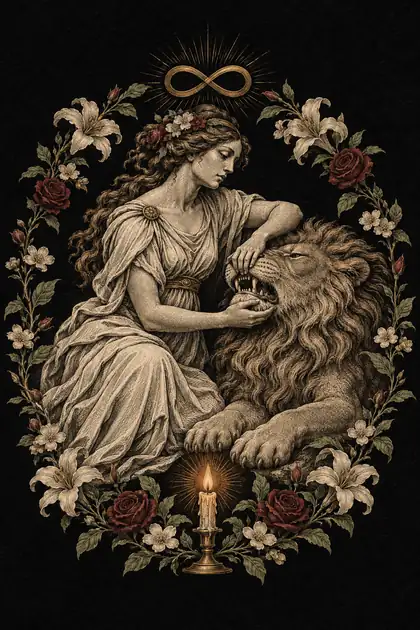
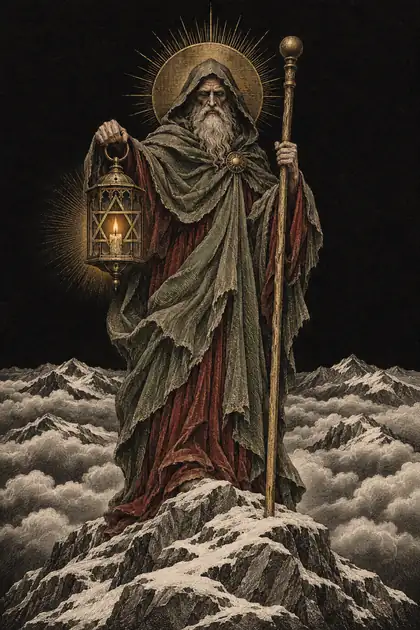
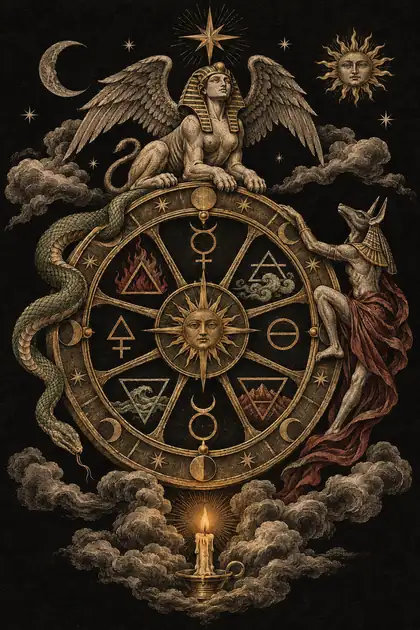
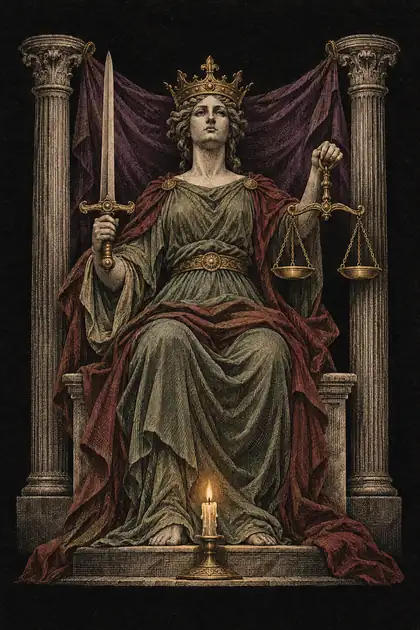
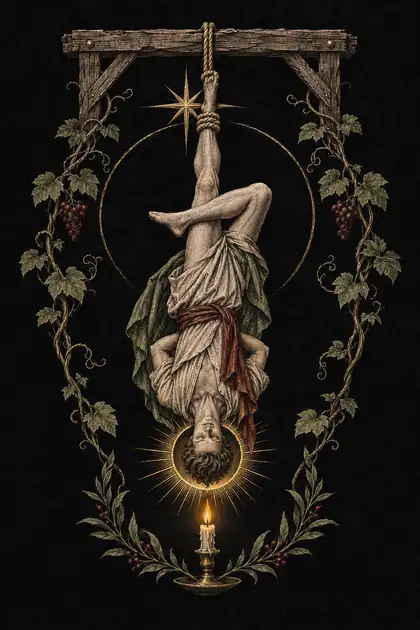
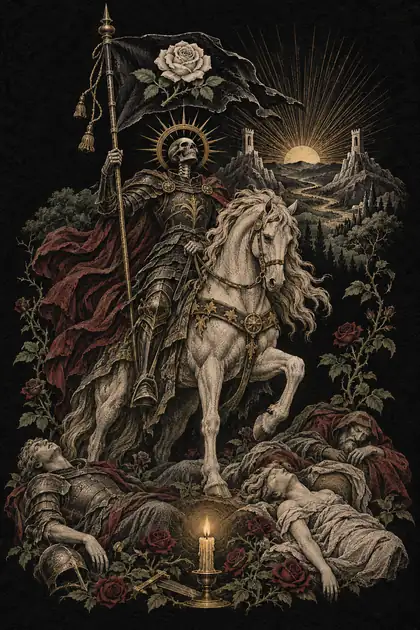
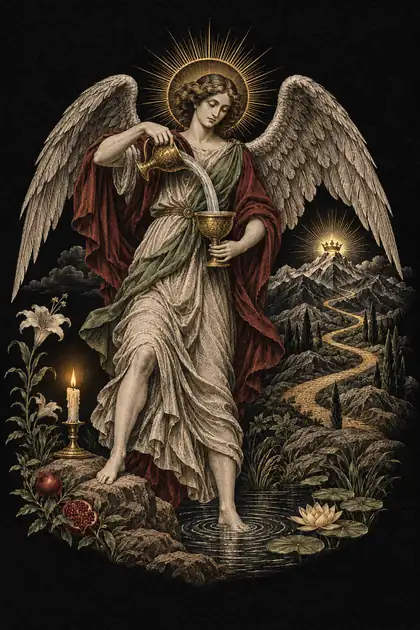
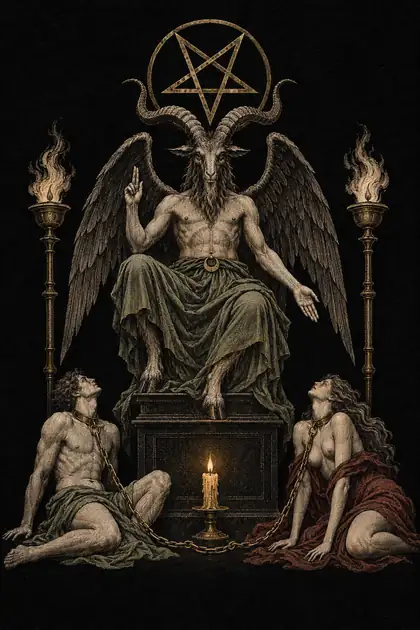
Are major arcana stronger than minor arcana in a yes no reading?
No. In this deck the 22 majors split 9 yes, 4 no and 9 maybe — almost exactly the same balance as the deck as a whole. A major card describes a bigger frame, not a bigger probability.
Which major arcana cards mean no?
Death, The Devil, The Tower and The Moon. Each one is a no to the situation as framed, not a prediction of disaster.
Do major arcana cards mean the answer is fated?
No. They describe the terms of the question — identity, a turning point, a structure — rather than removing your choice. The yes/no verdict still belongs to the card, not to fate.
How should I read a major arcana card in a spread?
Read it as context first and verdict second. A major in the outcome position says the question is larger than the immediate choice; a major in the obstacle position says the frame itself is the problem.
Put it to the deck
Ask your question and draw a card
One clear question, one card, one answer. The draw is free and takes about four seconds.